




 5.0
4.7
4.9


Missing a dental implant maintenance appointment does not automatically mean your implant will fail. However, delaying regular checks can allow problems affecting the surrounding gums, supporting bone or implant restoration to develop without being noticed.
Dental implants do not develop tooth decay, but the tissues supporting them can become inflamed or infected. Regular maintenance helps identify these changes, assess the condition of the replacement tooth and address potential complications before they become more difficult to manage.
If you have missed an appointment for dental implant maintenance in Kent, arranging another visit is sensible, even if your implant feels completely normal.
A dental implant is placed within the jawbone to support a replacement tooth, bridge or denture. Its long-term stability depends on healthy surrounding tissues, effective cleaning and appropriate bite forces.
During a maintenance appointment, your dentist or dental hygienist may assess:
Professional cleaning may also be recommended using instruments suitable for implant restorations.
These appointments are not simply routine cleaning sessions. They allow your dental team to monitor changes that may not cause obvious symptoms in their early stages.
The consequences depend on the length of the delay, your oral hygiene, your medical history and the condition of your implant before the missed visit.
Plaque can accumulate around dental implants, particularly where the replacement tooth meets the gum.
This can lead to peri-implant mucositis, an inflammatory condition affecting the soft tissues surrounding an implant.
Signs may include bleeding during brushing, redness and swelling. Some patients experience little or no discomfort, making regular professional checks particularly useful.
Peri-implant mucositis can often be managed with professional cleaning, improved plaque removal and appropriate follow-up care.
If inflammation persists, some patients may develop peri-implantitis. This condition involves inflammation around the implant alongside progressive loss of the supporting jawbone.
Bone loss can compromise the implant’s stability and make treatment more complicated.
Management depends on the extent of the condition and may include professional decontamination, improved home care or surgical treatment in selected cases.
Missing a maintenance appointment does not directly cause peri-implantitis. However, it can delay diagnosis if the condition develops during the period between visits.
Implant complications are not always related to gum disease.
The screw securing a crown may loosen, a bridge may become damaged, or the restoration may show signs of excessive wear.
It is important to distinguish between a loose crown and a loose implant. A crown may be repairable or capable of being secured again, whereas movement of the implant itself within the jawbone requires prompt investigation.
A maintenance examination can help identify the source of the problem and determine the appropriate treatment.
Early identification can make some implant complications easier to manage.
For example, bleeding around an implant may indicate inflammation that needs attention. If the underlying cause remains untreated, the condition could progress and require more complex intervention.
This does not mean every missed appointment leads to damage. The concern is the possibility of leaving an existing problem undetected for longer than necessary.
There is no single maintenance schedule that suits every patient. Some people may need reviews every three to six months, while others may be advised to attend at different intervals.
Your dentist will consider several factors when deciding how frequently to review your implants:
People with a history of periodontal disease may need closer monitoring because their risk of developing peri-implant complications can be higher.
The recommended interval should reflect your individual needs rather than a fixed timetable.
If your implant feels normal and you have no concerning symptoms, contact your dental practice to arrange another maintenance visit. Do not assume that you need treatment simply because you missed a scheduled check.
In the meantime, continue brushing twice daily with fluoride toothpaste and clean around the implant using interdental brushes, floss or other cleaning aids recommended by your dental team.
Avoid using sharp objects to remove deposits around the implant, and do not attempt to tighten a loose crown yourself.
Arrange a prompt dental assessment if you notice:
Severe facial swelling, difficulty breathing or swallowing, or uncontrolled bleeding requires emergency medical assistance.
Yes. Missing several maintenance appointments does not necessarily mean your implants have been damaged.
However, the absence of pain does not guarantee that the surrounding tissues are healthy. Some complications can develop with few noticeable symptoms.
An assessment may include examining the gums, measuring the tissues around the implant, checking the restoration and reviewing previous records. Dental X-rays may be recommended when clinically indicated to assess supporting bone levels or investigate suspected complications.
The findings help determine whether routine maintenance is sufficient or further investigation and treatment are needed.
Daily care plays an essential role in maintaining healthy tissues around dental implants.
Brush carefully around the implant restoration and clean areas where plaque and food debris can collect. If you have a full-arch bridge, your dental team may recommend specific cleaning aids to reach underneath it.
Avoid smoking where possible, maintain regular dental examinations and report changes in the way your implant or restoration feels.
Professional maintenance and effective home cleaning work together. Neither should be considered a substitute for the other.
Missing one dental implant maintenance appointment does not automatically lead to implant failure. The main concern is allowing inflammation, supporting bone loss or mechanical problems to remain undetected over time.
If you have missed a scheduled visit, arrange another appointment and continue your usual oral hygiene routine. If you notice bleeding, swelling, pain or movement around the implant, seek an assessment promptly.
The most appropriate maintenance schedule depends on your oral health, implant restoration and individual risk factors. Regular reviews help monitor these factors and support the long-term health and function of dental implants.
This article is for educational purposes only and is based on established dental guidance. It does not replace professional dental advice. Treatment recommendations require a clinical examination by a qualified dental professional.
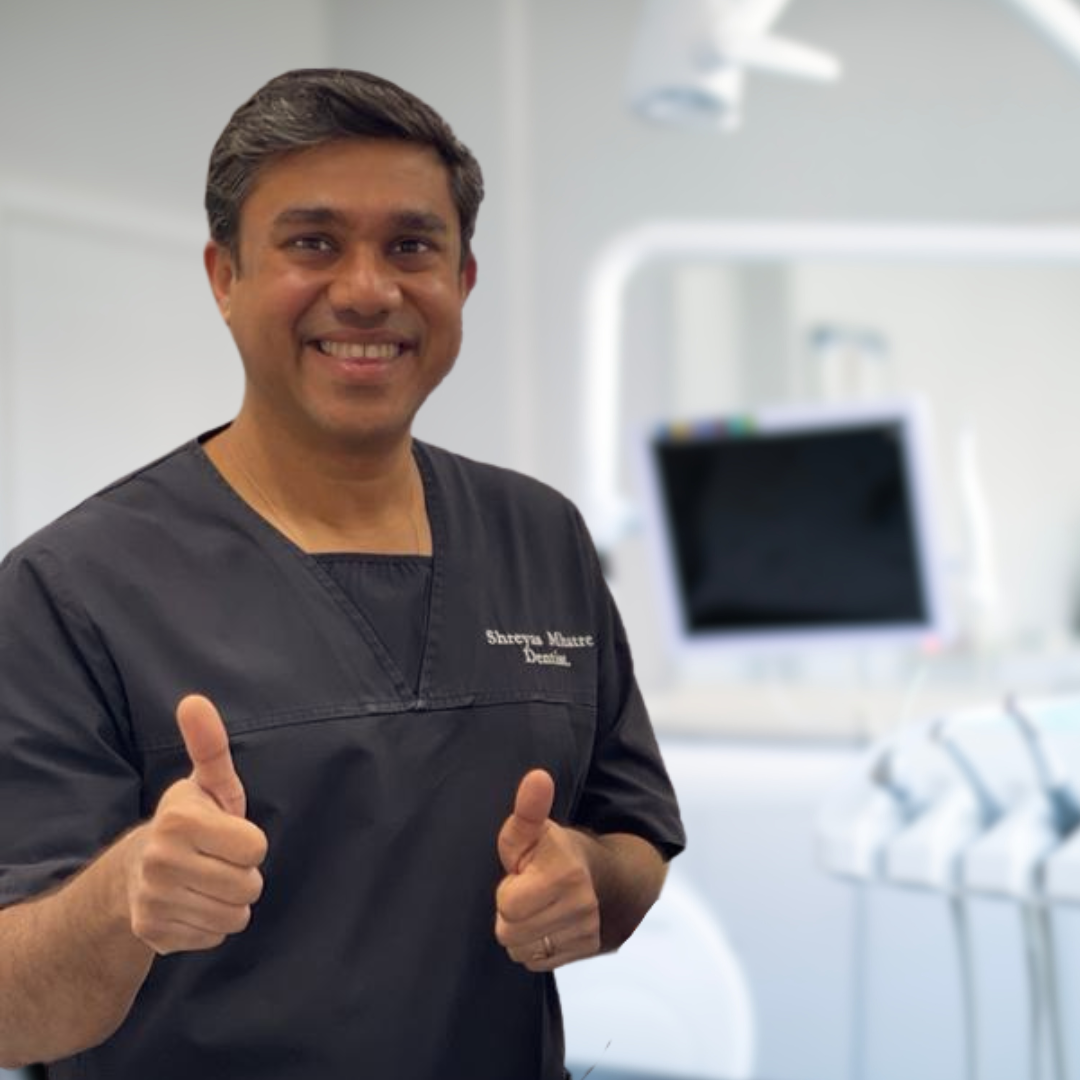
Dr Shreyas Mhatre is a UK-registered Dentist and Dental Implantologist at GM Dental And Implant Centre (GDC No. 136770). He has a particular interest in dental implants, full-mouth rehabilitation, Invisalign® and cosmetic dentistry. With a patient-focused approach, Dr Mhatre combines careful treatment planning with modern dental techniques to provide personalised care and help patients achieve healthy, functional and natural-looking results.
“I have just had my dental implants fitted the whole procedure went really smooth,...”

“I had my dead tooth broken so implant was the only option to make...”
“I’ve been struggling with my teeth for many years and I’ve lost hope that...”
“My daughter attended this practice in 2010 and finished her treatment in 2013. The...”
“I was treated here years ago as a teenager and so did a few...”
“My daughter had her orthodontic treatment here over a 3 year period. Dr Coonar...”


* Smilevalley Limited trading as GM Dental and Implant Centre is an Appointed Representative of Chrysalis Finance Limited, which is authorised and regulated by the Financial Conduct Authority. Smilevalley Limited is a credit broker, not a lender. The provider of a payment scheme which is not offered through or by Chrysalis Finance Limited may not be so authorised and regulated.
* G Mehta Ltd trading as GM Dental and Implant Centre Rochester is authorised and regulated by the Financial Conduct Authority. Finance is arranged through Chrysalis Finance Limited. The provider of a payment scheme which is not offered through or by Chrysalis Finance Limited may not be so authorised and regulated.
* GMValley Limited trading as GM Dental & Implant Ashford is an Appointed Representative of Chrysalis Finance Limited, which is authorised and regulated by the Financial Conduct Authority. GMValley Limited is a credit broker, not a lender. The provider of a payment scheme which is not offered through or by Chrysalis Finance Limited may not be so authorised and regulated.