5.0
4.7
4.9

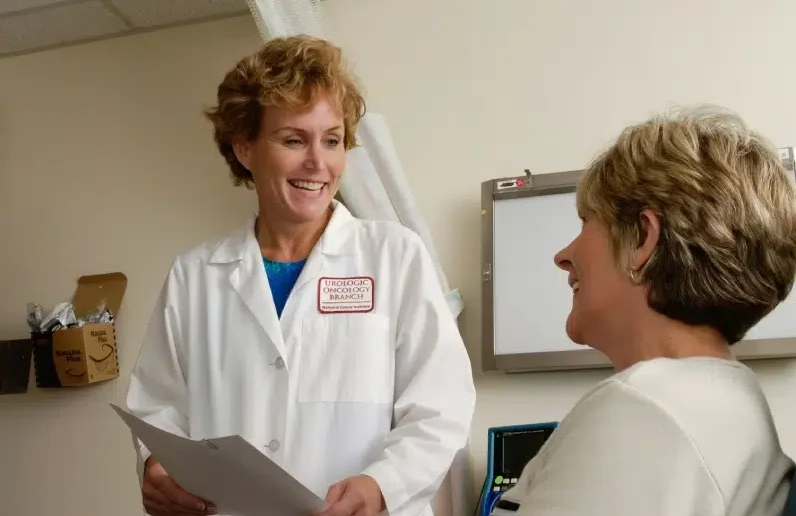
Yes, people with Down syndrome may be suitable for dental implants. Having Down syndrome does not automatically rule out treatment, but careful assessment is particularly important because gum disease, certain medical conditions and difficulties maintaining oral hygiene can affect the outcome.
For anyone considering Dental Implants In Kent or elsewhere in the UK, the decision should be based on individual dental health, medical history, ability to maintain the implants and the support available during and after treatment.
At GM Dental And Implant Centre, understanding these factors is central to discussing whether dental implant treatment is an appropriate option. The aim is to identify a safe, realistic approach that supports long-term oral health rather than assuming that one treatment will suit everyone.
Dental implants are small fixtures, usually made from titanium, placed into the jawbone to support replacement teeth. Over time, the bone integrates with the implant, providing a stable foundation for a crown, bridge or denture.
In people with Down syndrome, several factors may need closer attention before an implant procedure is considered.
People with Down syndrome can be more susceptible to periodontal disease, which affects the gums and the bone supporting the teeth. If gum disease is active, it can increase the risk of complications around dental implants.
Implants can develop a condition called peri-implantitis, in which inflammation damages the tissues and bone surrounding an implant. This can eventually compromise its stability.
A dentist will therefore assess gum health and address any active periodontal disease before proceeding wherever possible.
Some people with Down syndrome have associated health conditions, including congenital heart conditions, respiratory problems or sleep-related breathing difficulties. These do not automatically prevent implant treatment, but they may affect surgical planning, sedation or anaesthesia.
The dental team should review relevant medical records, current medication, previous operations and any advice from the patient’s medical specialists.
Down syndrome itself is not a reason to automatically refuse dental implants. The relevant question is whether treatment can be carried out safely and whether the likely benefits justify the individual risks.
The first appointment should establish the person’s needs, explain the available options and identify any factors that could affect treatment.
An assessment may include:
Consent must be handled in accordance with UK law, with the person’s own involvement and decision-making capacity respected. Having Down syndrome does not, by itself, mean someone lacks capacity to make decisions about dental treatment.
If anxiety, communication needs or the complexity of surgery make routine treatment difficult, referral to a special care dentistry service may be appropriate.
Implants are not the only way to replace missing teeth. Depending on the number and position of missing teeth, the condition of the remaining teeth and the person’s preferences, alternatives may include:
The best option depends on clinical findings, comfort, function and the person’s ability to manage ongoing care. A less invasive treatment may be preferable if its benefits meet the patient’s needs without introducing unnecessary surgical risks.
Research suggests that dental implants can be an option for selected people with Down syndrome, although the evidence remains limited.
A systematic review published in 2023 examined five observational studies involving 50 patients and 186 implants. The authors concluded that implants could be suitable, but complications appeared more likely than in people without Down syndrome. The small number of studies and their methodological limitations mean the findings should be interpreted cautiously.
This does not mean that an individual will experience implant failure. It means that clinicians should consider the person’s specific risks, establish realistic expectations and plan appropriate follow-up rather than relying on general success figures.
If implants are placed, maintaining healthy tissues around them is essential. A practical care plan may include:
The cleaning routine should be adapted to the individual’s dexterity, preferences and support needs. Regular professional maintenance helps identify inflammation early and reduce the risk of complications.
People with Down syndrome can be considered for dental implants, but suitability must be determined individually. Gum health, jawbone support, medical history, surgical considerations and the practicalities of long-term cleaning all influence the decision.
For people exploring Dental Implants In Kent or London, a careful assessment can clarify whether implant treatment, a bridge or a denture is the most appropriate option. The priority is a treatment plan that respects the person’s preferences, addresses their health needs and can be maintained safely over time.
This article provides general educational information and does not replace an individual dental assessment.

Gaurav Mehta is a Principal Dental Implantologist at GM Dental & Implant Centre and has been practising dentistry since graduating from Ajman University of Science and Technology in 2005. He is registered with the General Dental Council (GDC No. 140326) and has a particular interest in dental implantology and implant-supported tooth replacement. Through his clinical work, Gaurav focuses on helping patients understand their treatment options and make informed decisions about their oral health and dental care.
“I have just had my dental implants fitted the whole procedure went really smooth,...”

“I had my dead tooth broken so implant was the only option to make...”
“I’ve been struggling with my teeth for many years and I’ve lost hope that...”
“My daughter attended this practice in 2010 and finished her treatment in 2013. The...”
“I was treated here years ago as a teenager and so did a few...”
“My daughter had her orthodontic treatment here over a 3 year period. Dr Coonar...”


* Smilevalley Limited trading as GM Dental and Implant Centre is an Appointed Representative of Chrysalis Finance Limited, which is authorised and regulated by the Financial Conduct Authority. Smilevalley Limited is a credit broker, not a lender. The provider of a payment scheme which is not offered through or by Chrysalis Finance Limited may not be so authorised and regulated.
* G Mehta Ltd trading as GM Dental and Implant Centre Rochester is authorised and regulated by the Financial Conduct Authority. Finance is arranged through Chrysalis Finance Limited. The provider of a payment scheme which is not offered through or by Chrysalis Finance Limited may not be so authorised and regulated.
* GMValley Limited trading as GM Dental & Implant Ashford is an Appointed Representative of Chrysalis Finance Limited, which is authorised and regulated by the Financial Conduct Authority. GMValley Limited is a credit broker, not a lender. The provider of a payment scheme which is not offered through or by Chrysalis Finance Limited may not be so authorised and regulated.