5.0
4.7
4.9

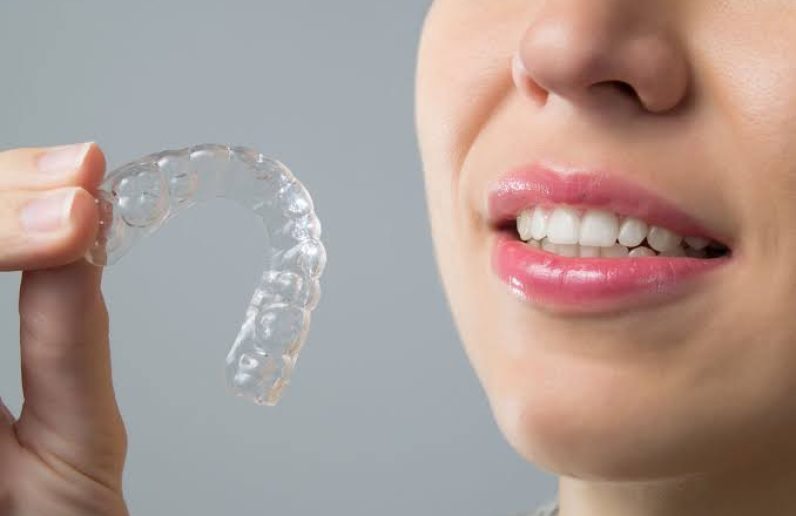
Yes, you may be able to have Invisalign if you have gum recession, but it depends on the condition of your gums, the amount of supporting bone around your teeth and the type of tooth movements required.
Gum recession does not automatically prevent orthodontic treatment. However, moving teeth when the gums and supporting tissues are unhealthy or weakened can increase the risk of further periodontal problems.
Before starting Invisalign treatment, a dentist needs to establish why your gums have receded, whether the condition is stable and whether your teeth have enough periodontal support to move safely.
For some patients, Invisalign may be appropriate with careful planning and monitoring. Others may need gum treatment or periodontal stabilisation before considering clear aligners.
Gum recession occurs when the gum tissue gradually moves away from the crown of a tooth, exposing more of its root surface. This can make teeth appear longer and sometimes cause sensitivity when eating or drinking hot, cold or sweet foods.
There are several possible reasons for gum recession:
The concern during Invisalign treatment is not simply how much gum has receded. It is whether the supporting structures can accommodate the planned tooth movements without causing further damage.
It can, depending on the patient’s periodontal condition and how the teeth need to move.
Invisalign aligners apply controlled forces to gradually reposition teeth. As teeth move through the supporting bone, the surrounding gum tissues and bone must adapt.
If a tooth is already close to the outer boundary of its supporting bone, moving it further in that direction could increase the risk of gum recession or supporting tissue damage.
This is particularly relevant for patients with:
However, orthodontic treatment is not automatically unsuitable for someone with these concerns. Carefully planned tooth movements may be possible, provided the periodontal condition is stable and the proposed movements are appropriate.
The British Dental Journal has highlighted the importance of assessing thin periodontal tissues and coordinating orthodontic and periodontal care where necessary.
A proper assessment is essential before deciding whether Invisalign is appropriate.
Rather than looking only at the visible recession, the dentist needs to understand the condition of the entire supporting structure.
The assessment may include:
The dentist checks for bleeding, inflammation, gum pocket depths and signs of attachment loss. Attachment loss means the supporting connection between the tooth and surrounding tissues has been reduced.
If there are signs of active gum disease, treatment and stabilisation are generally required before orthodontic treatment begins.
Dental X-rays may be recommended to assess the bone surrounding the teeth. This helps identify areas where bone support has been reduced.
The dentist evaluates whether the planned movements could push teeth beyond their supporting bone. This is particularly important when correcting crowding or moving prominent front teeth.
Thin gum tissue and existing recession may increase the risk of further changes during treatment. In selected cases, a periodontal specialist may need to assess the tissues before treatment proceeds.
Plaque control, smoking, previous gum disease and general dental health are also relevant. Good oral hygiene is essential throughout orthodontic treatment.
Not everyone with gum recession needs additional treatment before Invisalign.
The appropriate approach depends on the cause, severity and stability of the recession.
Where active gum disease is present
The priority is to control the infection and inflammation. This may involve professional cleaning, deeper periodontal treatment and improved daily oral hygiene.
Orthodontic treatment should generally be postponed until the periodontal condition is stable.
Where gum recession is stable
Some patients have recession without active gum disease. If the supporting tissues are healthy and the planned tooth movements are suitable, Invisalign may be considered with appropriate monitoring.
Where gum tissue is particularly thin
A periodontal specialist may discuss whether additional soft-tissue treatment, such as a gum graft, is appropriate.
A gum graft involves placing tissue to increase the thickness or coverage of the gum around an affected tooth. It is not necessary for every patient and does not automatically make someone suitable for orthodontic treatment.
Monitoring should continue throughout the treatment, not just during the initial assessment.
Your dentist should check for changes in gum position, inflammation, sensitivity and signs of periodontal instability.
You can also help protect your gums by:
If you notice increasing sensitivity, bleeding, visible changes in gum levels or tooth mobility, inform your dentist promptly.
If significant recession or periodontal deterioration develops during treatment, the orthodontic plan may need to be paused and reassessed.
Having gum recession does not automatically increase the cost of Invisalign. However, additional periodontal assessments or treatment may affect the overall amount you spend.
For example, you may need professional gum treatment, specialist periodontal reviews or additional monitoring before and during orthodontic treatment.
GM Dental And Implant Centre’s fees include the following Invisalign options:
| Treatment | Published price |
|---|---|
| Invisalign i7 Single Arch | From £1,680 |
| Invisalign i7 Dual Arch | From £2,310 |
| Invisalign Lite Single Arch | From £2,730 |
| Invisalign Lite Dual Arch | From £3,150 |
| Invisalign Full | From £4,195 |
The practice also lists an Invisalign consultation at £90 and orthodontic records at £105.
Severe gum recession requires more careful consideration, particularly if there is significant bone loss, tooth mobility or a history of advanced periodontal disease.
In some cases, orthodontic treatment may still be possible once the gum condition has been stabilised. However, the dentist must establish whether the remaining bone and periodontal tissues can safely support the proposed tooth movements.
Where necessary, an orthodontist and periodontist may work together to coordinate treatment.
If the supporting structures are too compromised, the risks of further recession, attachment loss or tooth instability may outweigh the potential benefits of straightening the teeth.
The decision should therefore be based on long-term dental health rather than appearance alone.
Having receding gums does not necessarily mean you have to rule out Invisalign. Many treatment decisions depend on the stability of your gum health, the amount of supporting bone available and the direction in which your teeth need to move.
The most important step is to identify the cause of the recession and establish whether your periodontal condition is stable before starting orthodontic treatment.
For patients in London considering Invisalign, a proper dental and periodontal assessment can help establish whether clear aligners are appropriate, whether gum treatment should come first or whether an alternative approach would be safer.
Straightening your teeth should never come at the expense of the tissues that support them. A well-planned treatment should consider both the appearance of your smile and the long-term health of your gums and teeth.
Reader information: This article is for educational purposes and does not replace an individual dental examination. Treatment recommendations require a clinical assessment by a qualified dental professional.

Gaurav Mehta is a Principal Dental Implantologist at GM Dental & Implant Centre and has been practising dentistry since graduating from Ajman University of Science and Technology in 2005. He is registered with the General Dental Council (GDC No. 140326) and has a particular interest in dental implantology and implant-supported tooth replacement. Through his clinical work, Gaurav focuses on helping patients understand their treatment options and make informed decisions about their oral health and dental care.
“I have just had my dental implants fitted the whole procedure went really smooth,...”

“I had my dead tooth broken so implant was the only option to make...”
“I’ve been struggling with my teeth for many years and I’ve lost hope that...”
“My daughter attended this practice in 2010 and finished her treatment in 2013. The...”
“I was treated here years ago as a teenager and so did a few...”
“My daughter had her orthodontic treatment here over a 3 year period. Dr Coonar...”


* Smilevalley Limited trading as GM Dental and Implant Centre is an Appointed Representative of Chrysalis Finance Limited, which is authorised and regulated by the Financial Conduct Authority. Smilevalley Limited is a credit broker, not a lender. The provider of a payment scheme which is not offered through or by Chrysalis Finance Limited may not be so authorised and regulated.
* G Mehta Ltd trading as GM Dental and Implant Centre Rochester is authorised and regulated by the Financial Conduct Authority. Finance is arranged through Chrysalis Finance Limited. The provider of a payment scheme which is not offered through or by Chrysalis Finance Limited may not be so authorised and regulated.
* GMValley Limited trading as GM Dental & Implant Ashford is an Appointed Representative of Chrysalis Finance Limited, which is authorised and regulated by the Financial Conduct Authority. GMValley Limited is a credit broker, not a lender. The provider of a payment scheme which is not offered through or by Chrysalis Finance Limited may not be so authorised and regulated.