5.0
4.7
4.9


When you are comparing dental implants in Kent , look for a dentist who earns your confidence through careful assessment, clear explanations and support beyond surgery. No website, review score or implant brand can show whether treatment is right for you. A good consultation should help you understand your options, risks, stages, costs and long-term care before you decide. Here are signs that your implant dentist may be a good fit.
Every practising dentist in the UK must be registered with the General Dental Council (GDC). You can check the dentist’s name or registration number on the GDC public register. If someone describes themselves as a specialist, check whether they appear on the relevant GDC specialist list: the GDC says only dentists on a specialist list may use that specialist title.
Registration is a starting point, not a guarantee of a particular result. Implant dentistry also calls for appropriate training, competence and professional indemnity. Ask what postgraduate implant training the clinician has completed, which parts of your care they will personally provide, and when they would involve or refer to another clinician. A suitable professional should be able to explain their role without relying on impressive-sounding labels.
A dentist should learn about your health and goals before recommending implants. Expect questions about your medical and dental history, medicines, smoking, previous treatment and any concerns you have. They should examine your mouth, including your gums, remaining teeth and bite, and explain any imaging they recommend. A 3D scan can be useful in planning some cases, but ask why it is needed for yours rather than treating a particular machine as proof of quality.
If you are over 40, mention existing crowns or fillings, gum changes, tooth wear, previous gum treatment and medicines that may affect healing. These details do not automatically rule implants in or out; they help the clinician assess your individual risks and whether other dental needs should be stabilised first.
Implants are one way to replace missing teeth, not the only option for everyone. Depending on your mouth and priorities, a bridge, denture, another restorative approach or no treatment for now may be considered. The right dentist explains the advantages, limits and likely maintenance of the options that are clinically relevant to you. They will also tell you if your gum health, bone, medical history or habits need attention before treatment.
Notice whether the discussion leaves room for questions. You should not feel pushed to book surgery or agree to a plan before you understand it. The GDC’s consent guidance says patients should receive relevant information about options, risks, benefits and possible costs, and enough time to make an informed decision.
Dental implant treatment can have several stages, so ask for a written plan that explains what is proposed and why. It should identify the clinician responsible for each stage, any scans or preparatory work, the type of replacement tooth planned, the expected sequence and what could change the schedule. Ask which parts are included in the estimate and what may cost extra, such as a bone graft, temporary tooth, sedation or later maintenance.
A clear plan is more helpful than a low headline price or a verbal promise. Ask how changes will be discussed, when you will need to give consent, and what happens if the final treatment differs from the initial estimate. GM Dental’s fee guide can help you see listed starting prices, but an individual plan and quote depend on assessment.
It is reasonable to ask how often the dentist carries out the type of implant procedure being proposed, what experience they have with cases like yours and what they do when a case is more complex. You can ask to see relevant, consented examples of their work, while remembering that another patient’s result cannot predict your own. A trustworthy answer may include a referral if a different clinician’s expertise is better suited to a particular part of your care.
Implants need ongoing cleaning and professional review. Ask who will look after you after placement, how to get advice if something feels loose or uncomfortable, how often the team expects to review the implant and what those visits involve. One useful question when choosing a dental implant clinic in Kent is who will provide routine maintenance if you are no longer seeing the dentist who placed it. Find out whether your regular dentist can provide ongoing maintenance or whether you should return to the implant clinic. The crown, bridge or denture may also need attention over time, even when an implant remains in place.
A good fit is not just technical. You should be listened to, receive straightforward answers and have a clear way to contact the practice. Reviews and before-and-after images can help you learn about a clinic, but they do not replace checking the clinician’s registration, understanding your own plan or discussing risks. If you are uncertain, take the written plan away or seek another opinion before committing.
Who will place the implant and who will provide the final tooth?
What training and experience do you have with a case like mine?
What alternatives should I consider?
Why do I need the proposed scan or procedure?
What risks apply to me?
What is included in the written estimate?
Who provides reviews and maintenance, and what should I do if a problem arises?
If you are researching dental implant treatment in Kent, use your consultation to check these points and compare the answers, not just the headline price. GM Dental lists implant services at its Ashford and Rochester clinics as well as Barnet in London. To enquire about a consultation at a , call or contact the practice and ask what records to bring.
This article is general information, not a diagnosis or personal recommendation. A dentist can assess your suitability after reviewing your health and examining your mouth.
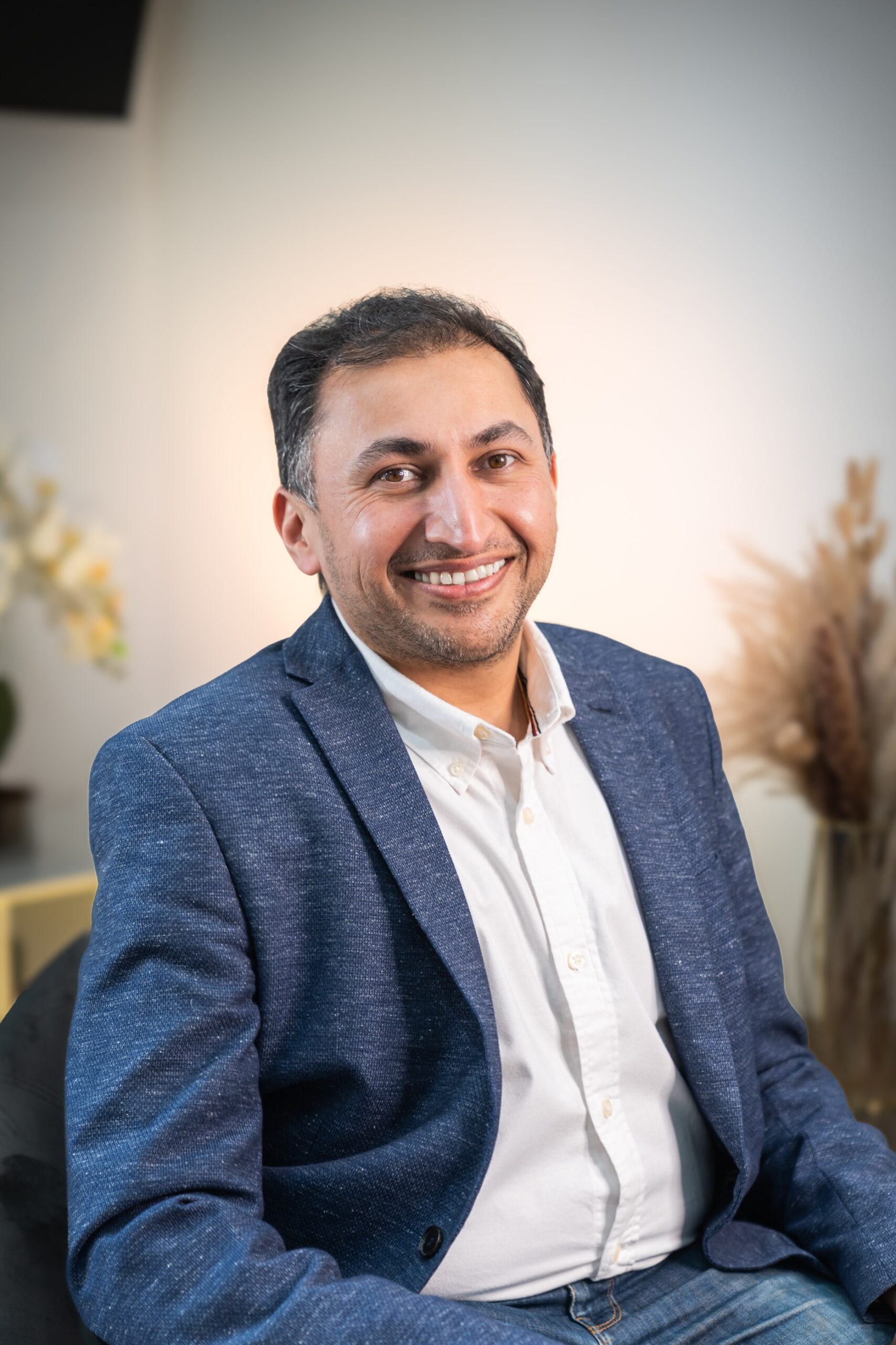
Gaurav Mehta is a Principal Dental Implantologist at GM Dental & Implant Centre and has been practising dentistry since graduating from Ajman University of Science and Technology in 2005. He is registered with the General Dental Council (GDC No. 140326) and has a particular interest in dental implantology and implant-supported tooth replacement. Through his clinical work, Gaurav focuses on helping patients understand their treatment options and make informed decisions about their oral health and dental care.
“I have just had my dental implants fitted the whole procedure went really smooth,...”

“I had my dead tooth broken so implant was the only option to make...”
“I’ve been struggling with my teeth for many years and I’ve lost hope that...”
“My daughter attended this practice in 2010 and finished her treatment in 2013. The...”
“I was treated here years ago as a teenager and so did a few...”
“My daughter had her orthodontic treatment here over a 3 year period. Dr Coonar...”


* Smilevalley Limited trading as GM Dental and Implant Centre is an Appointed Representative of Chrysalis Finance Limited, which is authorised and regulated by the Financial Conduct Authority. Smilevalley Limited is a credit broker, not a lender. The provider of a payment scheme which is not offered through or by Chrysalis Finance Limited may not be so authorised and regulated.
* G Mehta Ltd trading as GM Dental and Implant Centre Rochester is authorised and regulated by the Financial Conduct Authority. Finance is arranged through Chrysalis Finance Limited. The provider of a payment scheme which is not offered through or by Chrysalis Finance Limited may not be so authorised and regulated.
* GMValley Limited trading as GM Dental & Implant Ashford is an Appointed Representative of Chrysalis Finance Limited, which is authorised and regulated by the Financial Conduct Authority. GMValley Limited is a credit broker, not a lender. The provider of a payment scheme which is not offered through or by Chrysalis Finance Limited may not be so authorised and regulated.