5.0
4.7
4.9

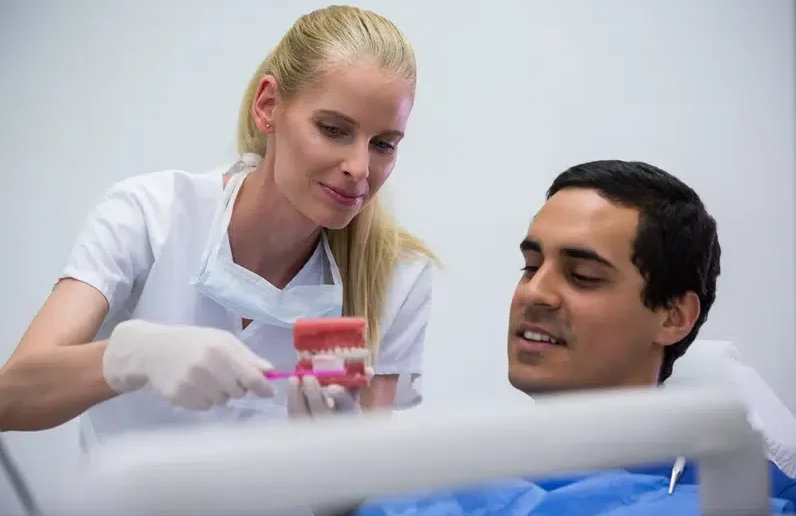
If you are considering dental implants in Kent, one of the most common questions I hear is: Will an implant actually feel like my own tooth? Is it as strong?
The honest answer is that a dental implant can restore much of the function and appearance of a natural tooth, but it is not biologically identical to a natural tooth.
A natural tooth has a root surrounded by a specialised ligament that connects it to the jawbone and helps you sense pressure when you bite. A dental implant, by contrast, is a titanium fixture that becomes integrated with the jawbone and supports a crown, bridge or denture.
Understanding that difference can help you have realistic expectations before deciding whether implant treatment is appropriate.
A natural tooth is a living structure. It contains enamel, dentine, a pulp containing nerves and blood vessels, and a root anchored in the jaw.
An implant replaces the root portion of a missing tooth. A titanium implant is placed into the jawbone, where it can integrate with the bone. An abutment then connects the implant to a replacement crown.
This means the visible part of an implant tooth can look remarkably similar to a natural tooth, but underneath the gum the structures are quite different.
The distinction matters because it affects how the tooth feels, how forces are transmitted and how the area needs to be maintained.
It is tempting to describe implants as being “stronger” than natural teeth, but that is an oversimplification.
The strength of a replacement tooth depends on several factors, including the implant, crown material, bite, position in the mouth and the way the treatment has been planned.
A well-integrated implant can provide very stable support for a replacement tooth. Unlike a natural tooth, there is no periodontal ligament around the implant. Instead, the implant is directly integrated with the surrounding bone.
However, this does not mean you should treat an implant like an indestructible tooth.
Excessive biting forces, tooth grinding, poor cleaning and inflammation around an implant can contribute to complications. The replacement crown can also experience wear or damage over time and may eventually need repair or replacement.
So, rather than asking whether an implant is stronger, I would ask whether it can provide the stability and function you need for your particular situation.
For many patients, an implant-supported tooth can feel very natural once treatment is complete and the surrounding tissues have settled.
There is an important difference, though: an implant does not have the same sensory feedback as a natural tooth.
Natural teeth have a periodontal ligament containing sensory receptors. This contributes to your ability to detect pressure and subtle changes when chewing.
An implant does not have this ligament. You can still feel pressure through the surrounding tissues and jaw, but the sensation is different.
Some patients notice the difference initially. Others become accustomed to the implant and stop thinking about it during normal activities such as eating and speaking.
The crown itself can be designed to look and function like a natural tooth, but it is still a prosthetic replacement rather than a natural tooth.
In many cases, dental implants can allow you to eat a wide range of foods comfortably once treatment and healing are complete.
However, eating immediately after implant surgery is different from eating with a fully restored implant.
Bone needs time to heal around the implant. Depending on the treatment, your dentist may recommend temporary teeth, a modified diet or specific precautions while healing takes place. Implant integration can take several months, depending on the individual treatment and circumstances.
Once your final restoration is fitted, your dentist will explain how to look after it and whether there are any foods or habits you should avoid.
An implant does not need to be brushed exactly like a natural tooth root, but it still requires careful daily cleaning.
This is particularly important around the gumline and between implants or implant-supported teeth. Plaque accumulation can cause inflammation around the implant, and more advanced inflammation can affect the bone supporting it.
Kent Community Health NHS Foundation Trust specifically advises patients with implants to clean carefully around them and attend regular dental reviews.
Your cleaning routine may include:
Natural teeth also require this same commitment to good oral hygiene. The best way to protect either natural teeth or implants is to prevent plaque and gum problems rather than wait until symptoms appear.
A major reason implants are used to replace missing teeth is that the implant is anchored in the jawbone rather than simply resting on the gums.
Natural tooth roots transmit forces into the surrounding bone. When a tooth is lost, the bone in that area can change over time because it is no longer supporting the tooth root.
An implant can provide an artificial root structure and help support the surrounding bone, although the biological response is not identical to that of a natural tooth.
This is one reason implant planning needs to consider the available bone, gum health, bite and overall condition of the mouth rather than simply focusing on the replacement crown.
There is no single price that applies to every patient.
The Dental Implant Cost In Kent can vary depending on factors such as:
A proper assessment is therefore more useful than choosing treatment based on a headline price alone.
If you are researching same day smiles Kent, remember that “same day” can refer to different stages of treatment. In some cases, a temporary replacement tooth may be provided on the day of implant placement, while the implant itself still requires time to integrate with the bone before the definitive restoration is completed.
If a natural tooth can be predictably saved, extraction should not automatically be considered the first choice simply because implants are available.
Your dentist may assess:
A dental implant is generally considered after a tooth has been lost or when it cannot be predictably retained, rather than as a routine replacement for a healthy natural tooth.
This is why an implant consultation should involve more than simply asking, “How much is an implant?”
No. Implant treatment requires careful assessment.
Active gum disease, poor oral hygiene, smoking, inadequate bone, certain medical conditions and heavy grinding can all affect treatment planning and long-term outcomes.
This does not necessarily mean an implant is impossible. It may mean that another dental problem needs to be treated first or that additional planning is required.
A dentist should explain the benefits, limitations, risks and alternatives before you decide.
If you still have a healthy, maintainable natural tooth, preserving it is generally preferable to removing it simply to place an implant.
If a tooth has already been lost, however, an implant may provide a fixed way of replacing the missing tooth without relying on neighbouring teeth for support.
The important point is that implants are replacement teeth, not better versions of natural teeth.
They can restore appearance, stability and chewing function, but they require professional planning and long-term maintenance.
In GM Dental And Implant Centre, the right option for a patient in Kent should be determined from their dental condition, rather than from the treatment name alone.
No. An implant-supported tooth can feel very natural, but it does not have the periodontal ligament and sensory feedback of a natural tooth.
Not necessarily. A well-planned implant can provide excellent stability, but it is not indestructible. Bite forces, grinding, oral hygiene and the quality of the supporting tissues all matter.
Once healing and restoration are complete, many patients can eat normally. During healing, your dentist may recommend temporary dietary restrictions.
The cost depends on the number of implants, restoration required and whether additional treatment is necessary. A clinical assessment is needed before an accurate treatment cost can be provided.
Implants do not develop tooth decay, but the tissues around them can become inflamed. Poor cleaning can contribute to peri-implant disease and bone loss, which is why ongoing maintenance is essential.

Gaurav Mehta is a Principal Dental Implantologist at GM Dental & Implant Centre and has been practising dentistry since graduating from Ajman University of Science and Technology in 2005. He is registered with the General Dental Council (GDC No. 140326) and has a particular interest in dental implantology and implant-supported tooth replacement. Through his clinical work, Gaurav focuses on helping patients understand their treatment options and make informed decisions about their oral health and dental care.
“I have just had my dental implants fitted the whole procedure went really smooth,...”

“I had my dead tooth broken so implant was the only option to make...”
“I’ve been struggling with my teeth for many years and I’ve lost hope that...”
“My daughter attended this practice in 2010 and finished her treatment in 2013. The...”
“I was treated here years ago as a teenager and so did a few...”
“My daughter had her orthodontic treatment here over a 3 year period. Dr Coonar...”


* Smilevalley Limited trading as GM Dental and Implant Centre is an Appointed Representative of Chrysalis Finance Limited, which is authorised and regulated by the Financial Conduct Authority. Smilevalley Limited is a credit broker, not a lender. The provider of a payment scheme which is not offered through or by Chrysalis Finance Limited may not be so authorised and regulated.
* G Mehta Ltd trading as GM Dental and Implant Centre Rochester is authorised and regulated by the Financial Conduct Authority. Finance is arranged through Chrysalis Finance Limited. The provider of a payment scheme which is not offered through or by Chrysalis Finance Limited may not be so authorised and regulated.
* GMValley Limited trading as GM Dental & Implant Ashford is an Appointed Representative of Chrysalis Finance Limited, which is authorised and regulated by the Financial Conduct Authority. GMValley Limited is a credit broker, not a lender. The provider of a payment scheme which is not offered through or by Chrysalis Finance Limited may not be so authorised and regulated.