




 5.0
4.7
4.9
5.0
4.7
4.9
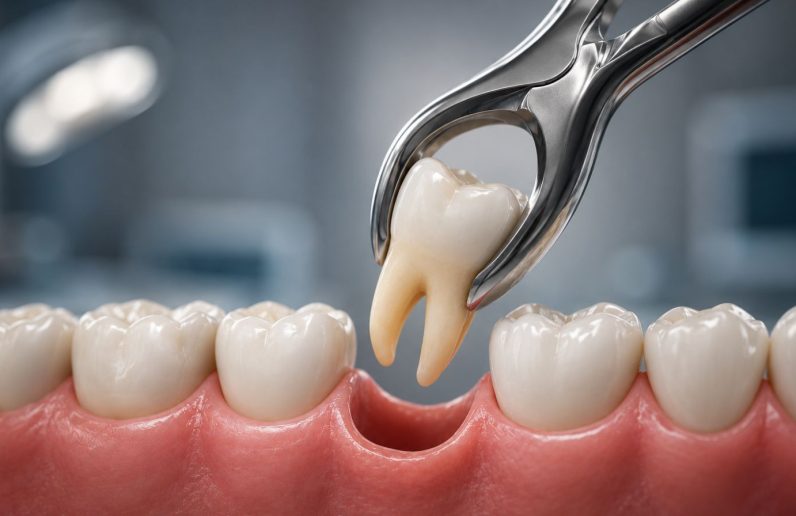
If you have been told you may need a dental extraction, one of the first questions that comes to mind is whether the tooth can still be saved. It is a completely natural reaction. In modern dentistry, saving your natural teeth is almost always the first instinct. Nothing quite replicates the function, feel, and comfort of a natural tooth. That is why your dentist will always prefer to explore every possible option before extraction is even considered.
Still, there are times when removing a tooth is not a sign of failure; it is simply the best possible treatment available. Whether that decision is right for you depends on several clinical factors, and ultimately, the choice remains yours. But it should never be made in a hurry, and it should never be made without the full picture.
In this guide, we will walk you through when extraction may be necessary & how these decisions are carefully assessed, so that whatever path you take, you are well informed.
1. Severe Tooth Decay:
Tooth decay occurs when acids from plaque and sugary foods wear away the enamel, the tooth’s protective outer layer. In the early stages, it can often be treated with fillings, inlays, or crowns.
However, if decay reaches the inner nerve of the tooth, the damage can spread deep into the root and weaken the tooth structure. At this stage, the tooth may no longer be strong enough to handle normal chewing, and conventional restorations may not be sufficient to save it.
When a tooth is too badly damaged or the infection has spread extensively, extraction may be the most reliable option. Leaving the infection untreated can lead to severe pain and may eventually affect your wider oral and overall health.
2. Advanced Periodontal (Gum) Disease:
Periodontal disease is the leading cause of tooth loss in adults. In its early form, it is entirely reversible; professional cleaning combined with improved home hygiene is often all that is needed to bring it under control.
However, when gum disease is left untreated and progresses to its advanced form, known as periodontitis, the damage becomes far more serious. At this stage, the infection begins to destroy the bone and tissue that hold the tooth in place. When a tooth reaches this point, extraction is often the only solution.
3. A Fracture Below the Gum Line
Not all tooth fractures are the same. A small cosmetic chip or a minor crack on your teeth can often be restored with root canal therapy or endodontic surgery. However, when a fracture extends vertically through the root, restoration becomes structurally impossible.
Injuries from accidents, sports, or falls are a common cause of this type of damage. In these circumstances, preserving the tooth is not just impractical, it is clinically unsafe, as the fracture creates an entry point for bacteria that can affect the surrounding bone and tissue. This is why it is important to see a dental professional as quickly as possible after any mouth injury, even if the tooth looks intact and you are not in significant pain.
4. Overcrowding and Orthodontic Concerns
Sometimes a tooth may need to be removed even when it is healthy. In cases of severe overcrowding, removing one or more teeth may be necessary to create enough space for proper alignment.
Wisdom teeth are a common example. When there is not enough room for them to emerge properly, they can become impacted, causing pain, infection, and pressure on neighbouring teeth. In these cases, removal may be recommended to protect your oral health and maintain a healthy bite.
5. Severe Infection That Cannot Be Resolved
In many cases, dental infections can be treated successfully with antibiotics or root canal therapy, allowing the tooth to be saved. However, some infections become too advanced or continue to return despite repeated treatment attempts. When this happens, keeping the tooth may put your wider oral health at risk. In these situations, removing the tooth is sometimes the safest and most effective solution.
Before recommending an extraction, a full assessment is carried out to understand the condition of the tooth and surrounding structures. The aim is always to explore whether the tooth can be preserved before removal is considered.
This assessment may include:
Any recommendation for extraction is made only after careful evaluation of all available options and the long-term health of the mouth.
Tooth Replacement After Extraction:
If extraction is necessary, replacing the missing tooth may be discussed as part of long-term care. Leaving a space untreated can lead to its own oral health concerns. There are several reliable options to restore your smile:
Dental Implants A titanium post is placed into the jawbone and topped with a custom crown, designed to look and function like a natural tooth. Implants help preserve the jawbone and can last for many years with good care.
Dental Bridges A bridge fills the gap by anchoring an artificial tooth to the neighbouring teeth on either side. It does not require surgery and is usually completed over a couple of appointments.
Dentures A removable option suitable for patients who need to replace multiple teeth or where other treatments are not appropriate. Modern dentures are more comfortable and natural-looking than many people expect.
Final Thoughts:
Tooth extraction is sometimes the best option for protecting your long-term oral health, but it should always be considered carefully and only after exploring the available alternatives.
If extraction has been recommended, it is worth discussing whether treatments such as root canal therapy or other restorative options may still be suitable. Understanding all available options before making a decision is important, and seeking a second opinion is entirely reasonable when needed.
If you have a troublesome tooth and are unsure whether it can be saved, our team is here to help. Book a consultation at one of our practices in Barnet, Ashford, Rochester, or Bexleyheath, or get in touch with us today.
Back to Blog“I have just had my dental implants fitted the whole procedure went really smooth,...”

“I had my dead tooth broken so implant was the only option to make...”
“I’ve been struggling with my teeth for many years and I’ve lost hope that...”
“My daughter attended this practice in 2010 and finished her treatment in 2013. The...”
“I was treated here years ago as a teenager and so did a few...”
“My daughter had her orthodontic treatment here over a 3 year period. Dr Coonar...”


* Smilevalley Limited trading as GM Dental and Implant Centre is an Appointed Representative of Chrysalis Finance Limited, which is authorised and regulated by the Financial Conduct Authority. Smilevalley Limited is a credit broker, not a lender. The provider of a payment scheme which is not offered through or by Chrysalis Finance Limited may not be so authorised and regulated.
* G Mehta Ltd trading as GM Dental and Implant Centre Rochester is authorised and regulated by the Financial Conduct Authority. Finance is arranged through Chrysalis Finance Limited. The provider of a payment scheme which is not offered through or by Chrysalis Finance Limited may not be so authorised and regulated.
* GMValley Limited trading as GM Dental & Implant Ashford is an Appointed Representative of Chrysalis Finance Limited, which is authorised and regulated by the Financial Conduct Authority. GMValley Limited is a credit broker, not a lender. The provider of a payment scheme which is not offered through or by Chrysalis Finance Limited may not be so authorised and regulated.