




 5.0
4.7
4.9
5.0
4.7
4.9
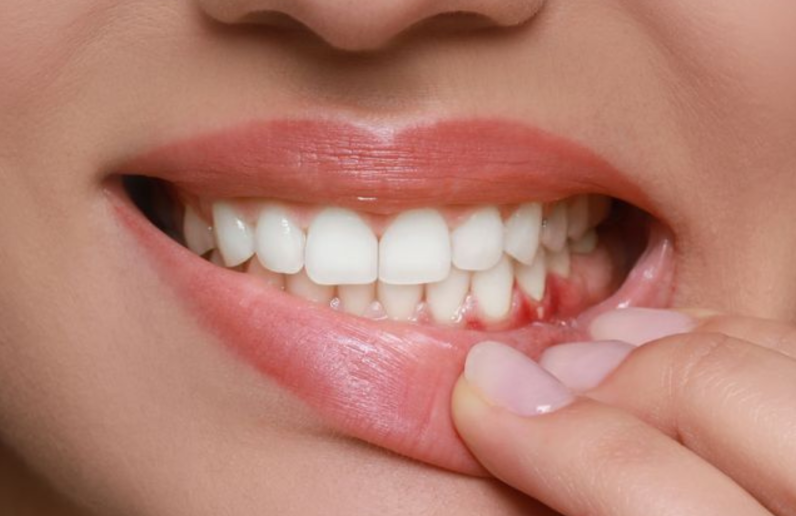
Receding gums, also known as gingival recession, occur when the gum tissue pulls back from the tooth, exposing more of the tooth and its root. This is a common dental issue that can be caused by various factors, including gum disease, aggressive brushing, or teeth grinding. Because gum tissue doesn’t grow back once it’s lost, early detection is crucial. If left untreated, recession can lead to serious problems like tooth sensitivity, an increased risk of decay, and even tooth loss. Fortunately, when treatment begins at an early stage, you may be able to stop or even prevent the process from worsening. In this blog, we’ll explain why gums recede, how to spot the symptoms, and what effective treatments are available.
Receding gums are often caused by a combination of factors, but here are the most common reasons:
By far the leading cause of gum recession is untreated periodontal disease. When plaque and tartar build up on the teeth, they cause inflammation. Over time, this progresses to periodontitis, where bacteria begin to erode the soft tissue and supporting bone around the teeth. As the bone is lost, the gums naturally pull away, creating pockets where more bacteria can thrive.
Using a toothbrush with hard bristles or brushing your teeth with excessive force essentially wears away the delicate gum tissue. This mechanical irritation acts like sandpaper on the gums, causing them to gradually recede, especially along the gum line.
Skipping your routine brushing and flossing allows plaque to harden into tartar on the tooth roots. Tartar is rough and sticky, and its presence under the gums causes inflammation and deeper pockets, driving recession. Note that once tartar forms, only a dental professional can remove it.
The habit of clenching or grinding your teeth, known as bruxism, places extraordinary, chronic pressure on the supporting tissues of the teeth. This excessive force can accelerate bone damage and gum loss.
Smoking or chewing tobacco significantly affects gum health. Tobacco use makes tissues more prone to infection, slows the healing process, and greatly increases plaque accumulation, making tobacco users much more likely to develop severe gum recession.
Several other issues can increase your risk of recession:
Medications: Certain medications that cause dry mouth raise the risk, as saliva normally helps protect and clean the gums.
In the early stages, gum recession can easily go unnoticed. One of the first signs is a visible change in the appearance of your teeth. The gums start to pull back, making the teeth look slightly longer than before. You might also notice that the area near the gum line, where the tooth enamel ends and the root begins, looks darker or feels slightly notched.
Warning Signs Include:
Treatment for receding gums is determined by the severity of the condition. The primary goals are to stop further recession, eliminate any active infection, and, when necessary, restore the lost gum tissue to protect the tooth roots.
The first step in controlling mild to moderate recession and the associated gum disease is typically a deep, professional cleaning.
When recession is advanced and tooth roots are significantly exposed, surgical procedures are required to cover the exposed areas and prevent tooth loss.
Pinhole Gum Surgery: There is also a minimally invasive option, which is called the Pinhole Surgical Technique. This modern method uses a tiny hole in the gums to gently loosen and reposition existing gum tissue over the roots. Since it involves no cutting or traditional sutures, patients often experience minimal discomfort and enjoy a quicker recovery, sometimes healing within a day.
Your gums are the foundation of a healthy smile, and they deserve expert attention. At GM Dental, we provide personalized gum care plans designed to stop recession and promote natural healing. If you’ve noticed receding gums or discomfort while brushing, we are here to help. Schedule your appointment today to start improving your gum health.
Back to Blog“I have just had my dental implants fitted the whole procedure went really smooth,...”

“I had my dead tooth broken so implant was the only option to make...”
“I’ve been struggling with my teeth for many years and I’ve lost hope that...”
“My daughter attended this practice in 2010 and finished her treatment in 2013. The...”
“I was treated here years ago as a teenager and so did a few...”
“My daughter had her orthodontic treatment here over a 3 year period. Dr Coonar...”


* Smilevalley Limited trading as GM Dental and Implant Centre is an Appointed Representative of Chrysalis Finance Limited, which is authorised and regulated by the Financial Conduct Authority. Smilevalley Limited is a credit broker, not a lender. The provider of a payment scheme which is not offered through or by Chrysalis Finance Limited may not be so authorised and regulated.
* G Mehta Ltd trading as GM Dental and Implant Centre Rochester is authorised and regulated by the Financial Conduct Authority. Finance is arranged through Chrysalis Finance Limited. The provider of a payment scheme which is not offered through or by Chrysalis Finance Limited may not be so authorised and regulated.
* GMValley Limited trading as GM Dental & Implant Ashford is an Appointed Representative of Chrysalis Finance Limited, which is authorised and regulated by the Financial Conduct Authority. GMValley Limited is a credit broker, not a lender. The provider of a payment scheme which is not offered through or by Chrysalis Finance Limited may not be so authorised and regulated.