




 5.0
4.7
4.9


Your first check-up after dental implant surgery is an opportunity to make sure your healing is progressing as expected, discuss any discomfort and identify potential problems before they become more serious. Preparing for the appointment is straightforward: follow your dentist’s aftercare instructions, note any changes since surgery, bring your medication details and prepare questions about your recovery.
Whether you have received a single implant or undergone a more extensive procedure, including Smile In A Day In North London treatment, your follow-up appointment is an important part of your care. It allows your dental team to assess the surgical site and decide whether any adjustments to your aftercare are needed.
A dental implant is a small post placed in the jawbone to support a replacement tooth or a fixed set of teeth. Following surgery, the gum tissue needs to heal, while the implant gradually integrates with the surrounding bone. This biological process is called osseointegration.
Your first review helps the dentist assess the early healing of the gum tissue, look for signs of inflammation or infection, and check whether the implant and any temporary restoration appear stable.
The appointment does not necessarily confirm that the implant has fully integrated with the bone. That process takes longer and may require further clinical reviews before the final crown or bridge is fitted.
The timing of your first check-up depends on the procedure performed, the condition of the surgical site and your dentist’s protocol. Attend the appointment on the date recommended rather than waiting until you feel discomfort.
A little preparation helps you give your dentist a clearer picture of your recovery. Before attending your review, take these practical steps.
Think about how you have felt since surgery. Record whether your pain, swelling or bruising is improving, staying the same or getting worse.
Mention any bleeding, unusual taste, discharge, changes in sensation or difficulty eating. Even if a symptom seems minor, sharing the details helps your dentist decide whether further assessment is needed.
Prepare a list of any prescribed medicines, painkillers and other medication you are taking. Tell your dentist if you have missed doses, experienced side effects or started a new medicine since the operation.
Do not stop prescribed medication or change the dose simply because you feel better.
Brush and clean your mouth as instructed by your dental team. Some surgical sites need to be protected from direct brushing initially, so do not scrub the implant area to make it look cleaner before your appointment.
If you have been prescribed a mouthwash, use it according to the instructions provided. Avoid introducing new cleaning products or home remedies without checking that they are appropriate.
Write down anything you are unsure about, such as when to return to normal eating, how to clean around the implant or when your final restoration can be fitted.
If you have a temporary crown, bridge or denture, mention any discomfort, movement or changes in the way it fits.
Your examination will depend on the type of implant surgery you received and how long it has been since the procedure.
Your dentist may assess:
X-rays are not automatically necessary at every early review. Your dentist may recommend imaging if there is a clinical reason to investigate the implant position, surrounding bone or a possible complication.
For patients who have undergone full-arch treatment, the dentist may also assess the temporary bridge, its fit and whether its design allows effective cleaning beneath it.
Also Read: What Not To Do Once Dental Implants Are Fitted?
Some soreness, swelling, bruising and minor bleeding can occur after implant surgery. These effects should generally begin to improve as recovery progresses, although the timing varies according to the extent of surgery and individual circumstances.
The important distinction is the direction of change. Gradually improving discomfort is different from pain or swelling that becomes more severe after initially settling.
Contact your dental practice promptly if you experience:
These symptoms do not automatically mean that an implant has failed, but they need appropriate professional assessment. Do not wait for your scheduled check-up if you are concerned.
Seek emergency medical care for difficulty breathing or swallowing, rapidly spreading facial swelling or severe uncontrolled bleeding.
Use the appointment to understand what happens next, rather than focusing only on whether the wound looks healthy.
Consider asking:
The answers should reflect your individual treatment. For example, a straightforward single implant may require a different follow-up schedule from an implant placed alongside bone grafting or a full-arch restoration.
It can. Smile In A Day In North London generally refers to treatment in which a patient receives a temporary fixed set of teeth on the day of implant surgery, where clinically appropriate.
Receiving temporary teeth immediately does not mean that the implants have already bonded fully with the jawbone. The implants still need time to integrate, and the temporary bridge may need to be protected from excessive biting forces during healing.
At follow-up appointments, your dentist may pay particular attention to the stability and fit of the temporary bridge, your bite and your ability to clean beneath it. Follow any specific dietary restrictions provided by your implant team.
The transition to the final bridge depends on healing, implant stability and the clinical plan. The temporary teeth should not be treated as permission to eat anything or put unrestricted pressure on the implants.
Your first post-surgery check-up is only one stage of implant maintenance. Once the initial surgical site has healed, regular reviews help your dentist monitor the gum tissue, surrounding bone where indicated, the condition of the restoration and your cleaning technique.
Dental implants cannot develop tooth decay, but the tissues around them can become inflamed. In some cases, persistent inflammation can damage the supporting bone, a condition known as peri-implantitis. Good daily cleaning and professional maintenance help reduce this risk.
If you are researching Dental Implants In North London, remember that aftercare is part of the treatment journey, not an optional extra. During dental implant consultation in North London , you can discuss the expected follow-up schedule, cleaning requirements and who to contact if a problem develops.
Preparing for your first post-surgery dental implant check-up means keeping track of your symptoms, bringing relevant medication details and asking clear questions about healing. The appointment allows your dentist to assess the surgical site, review your aftercare and plan the next stage of treatment.
Follow your individual instructions and report unexpected changes promptly. With appropriate monitoring, good oral hygiene and regular maintenance, you can help protect the health of your implant and the tissues supporting it over the long term.
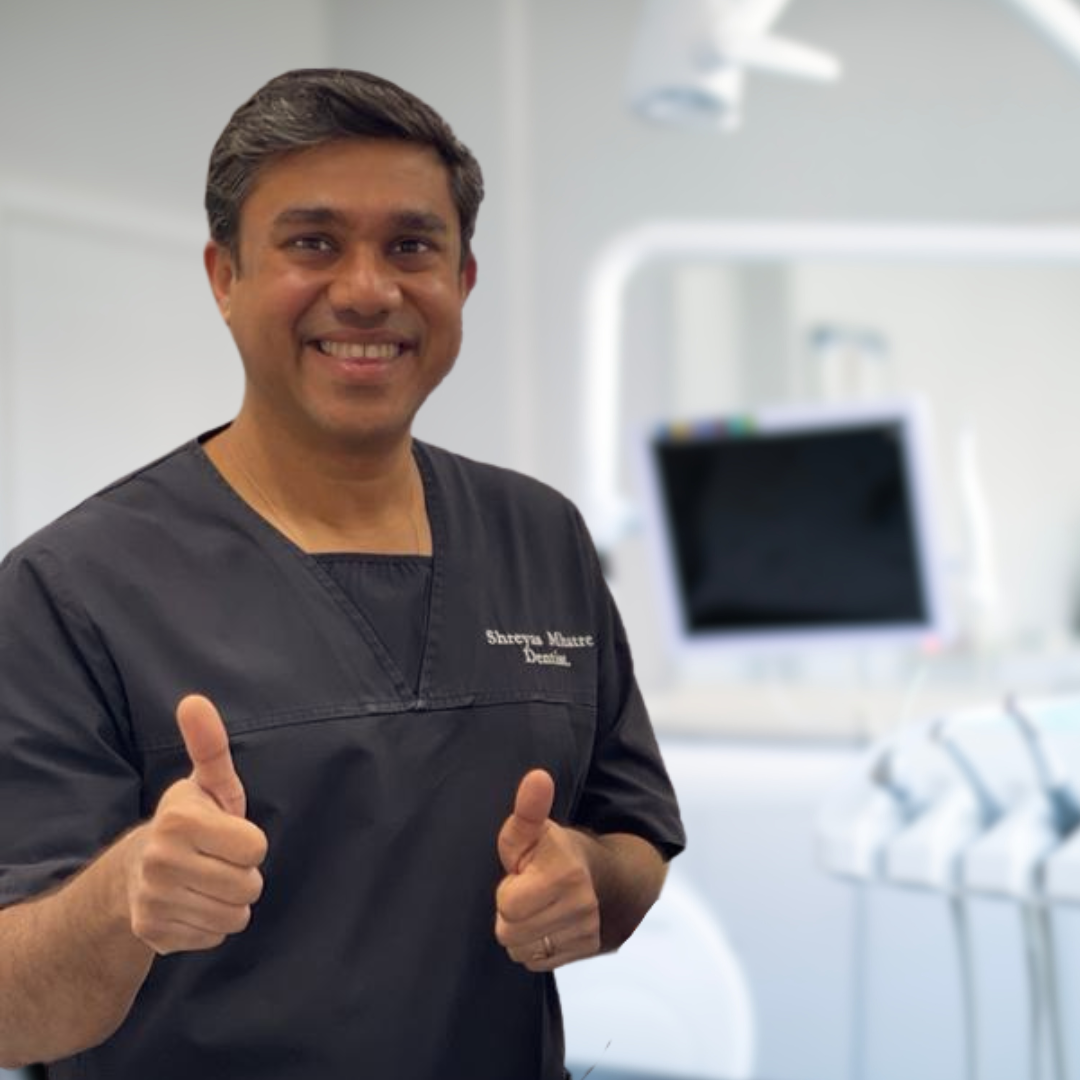
Dr Shreyas Mhatre is a UK-registered Dentist and Dental Implantologist at GM Dental And Implant Centre (GDC No. 136770). He has a particular interest in dental implants, full-mouth rehabilitation, Invisalign® and cosmetic dentistry. With a patient-focused approach, Dr Mhatre combines careful treatment planning with modern dental techniques to provide personalised care and help patients achieve healthy, functional and natural-looking results.
“I have just had my dental implants fitted the whole procedure went really smooth,...”

“I had my dead tooth broken so implant was the only option to make...”
“I’ve been struggling with my teeth for many years and I’ve lost hope that...”
“My daughter attended this practice in 2010 and finished her treatment in 2013. The...”
“I was treated here years ago as a teenager and so did a few...”
“My daughter had her orthodontic treatment here over a 3 year period. Dr Coonar...”


* Smilevalley Limited trading as GM Dental and Implant Centre is an Appointed Representative of Chrysalis Finance Limited, which is authorised and regulated by the Financial Conduct Authority. Smilevalley Limited is a credit broker, not a lender. The provider of a payment scheme which is not offered through or by Chrysalis Finance Limited may not be so authorised and regulated.
* G Mehta Ltd trading as GM Dental and Implant Centre Rochester is authorised and regulated by the Financial Conduct Authority. Finance is arranged through Chrysalis Finance Limited. The provider of a payment scheme which is not offered through or by Chrysalis Finance Limited may not be so authorised and regulated.
* GMValley Limited trading as GM Dental & Implant Ashford is an Appointed Representative of Chrysalis Finance Limited, which is authorised and regulated by the Financial Conduct Authority. GMValley Limited is a credit broker, not a lender. The provider of a payment scheme which is not offered through or by Chrysalis Finance Limited may not be so authorised and regulated.