




 5.0
4.7
4.9
5.0
4.7
4.9
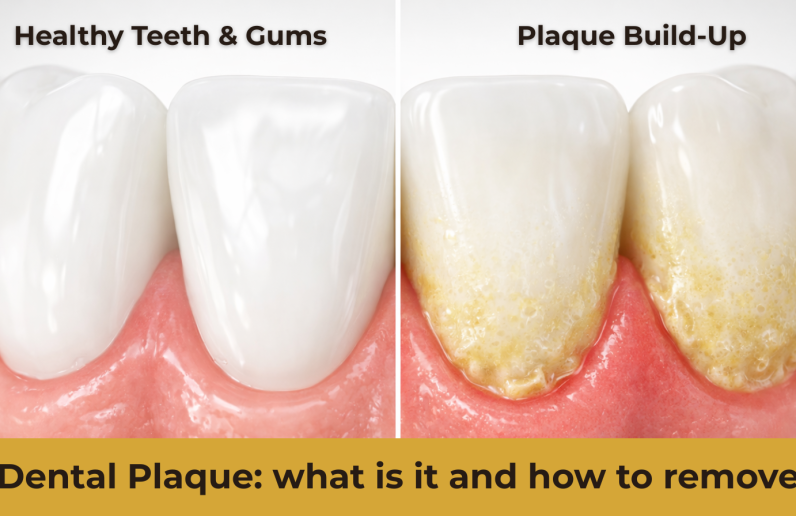
Cavities, gum disease, and tooth loss all share a common starting point. Before any of these serious issues develop, there’s a single culprit quietly building up on your teeth: plaque.
Plaque is a sticky, colorless film of bacteria that constantly forms on your teeth and along your gumline. This soft bacterial buildup feeds on sugars in your mouth, producing acids that erode enamel and irritate your gums. Left unchecked, plaque hardens into tartar, creating a much more serious problem that only a dentist can remove.
Fortunately, Plaque is easy to remove when you know the right techniques. In this guide, you’ll learn exactly what plaque is, why it’s harmful, and most importantly. The proven methods to remove it and keep it from coming back.
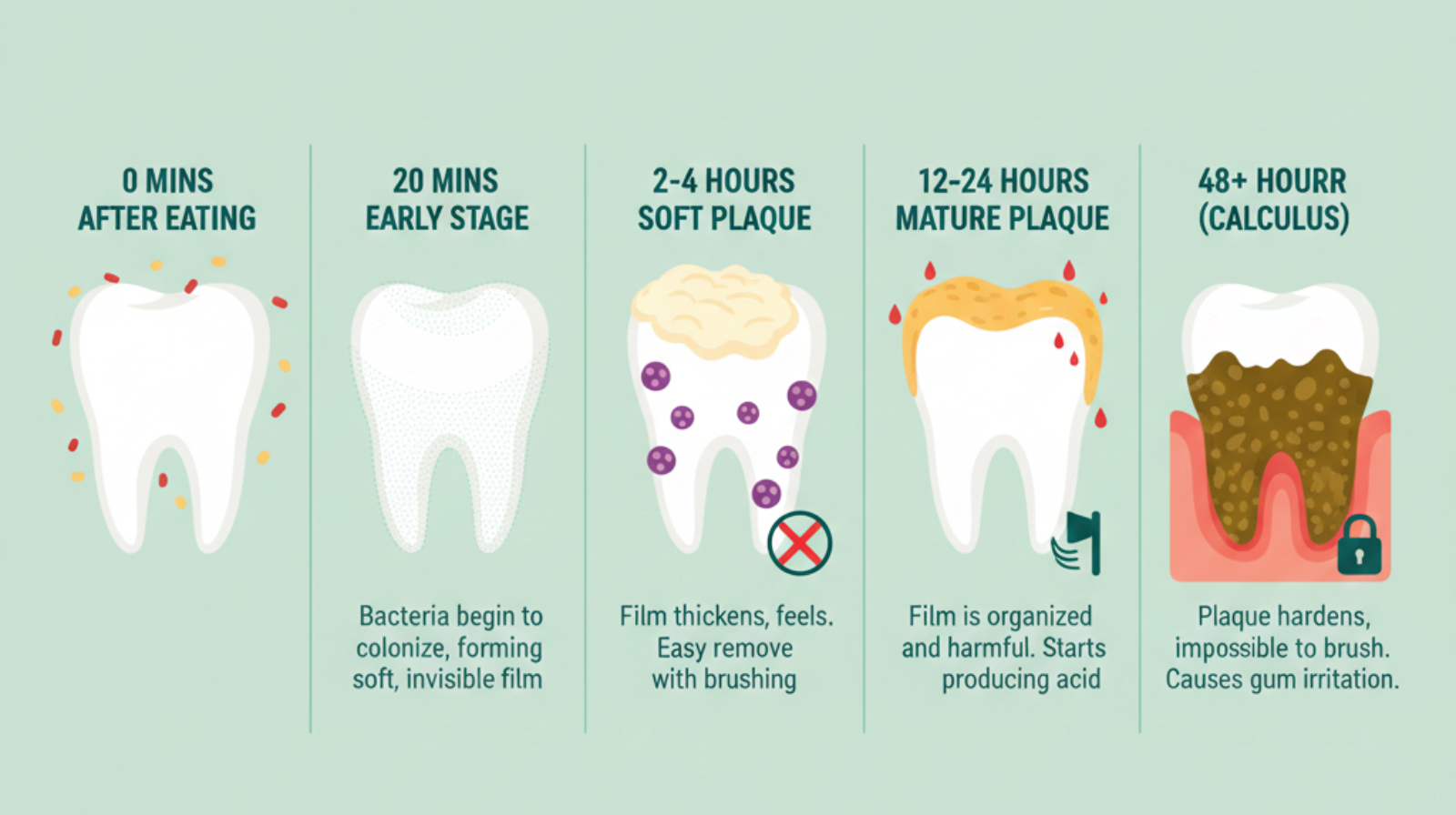
One of the first things you may notice is a change in how your teeth feel. When you run your tongue across them, they may feel fuzzy, rough, or coated rather than smooth and clean. You may also notice visual changes, such as your teeth losing their natural shine or appearing dull or slightly discoloured as plaque collects on the surface.
If plaque is left on your teeth for a longer period, it can begin to damage the enamel, leading to increased sensitivity to hot, cold, or sweet foods and drinks. along with discomfort or pain when chewing. In more advanced cases, teeth may start to feel loose or your bite may feel different from normal. Persistent bad breath that doesn’t go away with mints or mouth fresheners is another common sign that plaque is present.
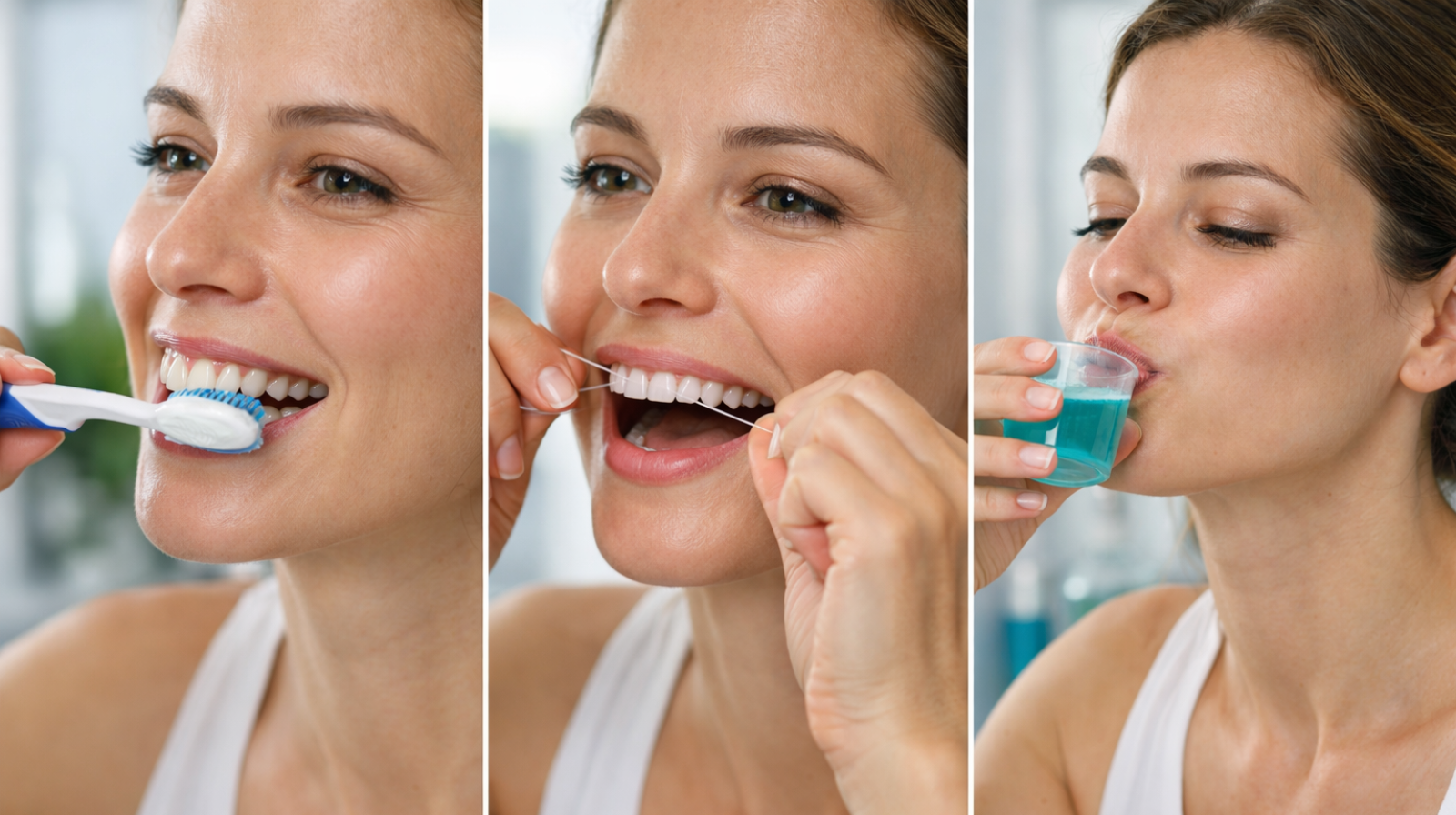
Keeping your teeth healthy isn’t as complicated as you might think. Protecting your teeth against plaque simply requires maintaining good oral hygiene. By following a few simple practices, you can effectively eliminate plaque and keep your smile healthy.
Brush Effectively
Use a soft-bristled toothbrush and fluoride toothpaste for two minutes, twice a day. Hold the brush at a 45° angle to the gum line so the bristles reach underneath the gums. Gently brush all surfaces (outer, inner, and chewing) using circular motions. Pay special attention to the gumline, as this is where plaque tends to accumulate most.
Flossin
Start incorporating floss or an interdental cleaning device into your oral hygiene routine. Floss reaches the spaces between teeth where your toothbrush simply cannot go; these tight gaps are where plaque hides and multiplies. Flossing once a day removes plaque and trapped food debris from between your teeth and along the gumline.
Use Mouthwash
Rinse your mouth using a fluoride mouthwash to help strengthen enamel and prevent decay. While it provides extra protection, timing matters: use mouthwash at a separate time from brushing. Swish the liquid around for 30 seconds, then spit it out. Avoid eating or drinking for 30 minutes afterward to allow the fluoride to work effectively.
Plaque bacteria produce malodorous compounds responsible for chronic bad breath. No home remedy can truly be effective if the underlying plaque remains. By removing plaque regularly, you tackle the root cause of the problem, keeping your breath fresh and your confidence high in social situations.
Tooth Sensitivity
As plaque-related acids wear down your enamel and cause gum recession, the sensitive inner layers of your teeth become exposed. This leads to sharp pain when consuming hot, cold, sweet, or acidic foods & drinks. Consistent plaque removal protects your enamel and gums, preventing the exposure that causes uncomfortable sensitivity.
Cavities and Tooth Decay
When plaque is allowed to build up, it creates an environment where harmful bacteria thrive. These bacteria gradually weaken the enamel that protects your teeth, making them more vulnerable to damage. Removing plaque regularly helps protect this natural barrier, reducing the risk of cavities and avoiding the need for restorative treatments such as fillings or crowns.
Gum Disease
Plaque that settles around the edges of the gums disrupts the natural balance of bacteria in the mouth, leading to irritation and swelling. If this buildup isn’t removed, early gum problems can develop and gradually worsen, affecting the supporting tissues and bone around the teeth. Plaque removal helps to protect the gums, maintaining their strength and stability and reducing the risk of long-term tooth loss.
No matter how diligent your home care is, you still need professional check-ups and cleans to stay ahead of plaque. While your daily routine is the first line of defense, only a dental professional can remove hardened tartar and identify issues before they become painful or costly.
It is generally recommended to get a dental checkup every 6–12 months, depending on your specific risk level. If you are healthy with no history of dental problems, an annual visit may suffice. However, if you have risk factors such as a history of heavy plaque, gum disease, frequent cavities, smoking, or diabetes, you may need to see a dentist every 3–6 months to maintain optimal health.
At GM Dental, we are committed to helping you maintain a plaque-free, confident smile. Whether you are due for a routine cleaning or need a personalized prevention plan, our team is here to provide expert care in a comfortable environment.
Don’t wait for a problem to arise; prevention is the best investment you can make for your health. Schedule your next check-up with GM Dental today!
Back to Blog“I have just had my dental implants fitted the whole procedure went really smooth,...”

“I had my dead tooth broken so implant was the only option to make...”
“I’ve been struggling with my teeth for many years and I’ve lost hope that...”
“My daughter attended this practice in 2010 and finished her treatment in 2013. The...”
“I was treated here years ago as a teenager and so did a few...”
“My daughter had her orthodontic treatment here over a 3 year period. Dr Coonar...”